
If you are looking for countries that start with J, there are exactly three sovereign United Nations member states whose standard English names begin with the letter J:
- Jamaica
- Japan
- Jordan
These three countries are remarkably different. Jamaica is a Caribbean island nation, Japan is an East Asian archipelago, and Jordan is a country in Western Asia.
The current United Nations Member States directory confirms Jamaica, Japan, and Jordan as the three countries listed under J.
Quick Answer: There are three countries that start with J: Jamaica, Japan, and Jordan.
How Many Countries Start With J?
There are 3 countries beginning with J when using the standard English names of current sovereign UN member states.
| # | Country | Capital | UN Region | ISO Codes |
|---|---|---|---|---|
| 1 | Jamaica | Kingston | Caribbean | JM / JAM |
| 2 | Japan | Tokyo | Eastern Asia | JP / JPN |
| 3 | Jordan | Amman | Western Asia | JO / JOR |
The United Nations geographical names database classifies Jamaica in the Caribbean, Japan in Eastern Asia, and Jordan in Western Asia.
So whether you are completing a geography quiz, solving an alphabetical puzzle, or studying world countries, the full J list is simple:
Jamaica, Japan, and Jordan.
Countries That Start With J by Region
The three J countries are spread across two broad geographic areas.
| Geographic Area | Number | Countries |
|---|---|---|
| Americas / Caribbean | 1 | Jamaica |
| Asia | 2 | Japan, Jordan |
| Africa | 0 | None |
| Europe | 0 | None |
| Oceania | 0 | None |
Japan and Jordan are both in Asia, but they lie in very different parts of the continent.
Japan is in Eastern Asia, while Jordan is in Western Asia.
Jamaica lies in the Caribbean region of the Americas.
How Does J Compare With Other Rare Country Letters?
Three countries make J a relatively uncommon starting letter, but it is not the rarest.
For example, Oman stands alone under the letter O, while Qatar is similarly the only sovereign country represented by Q.
Some letters are even more unusual. The W list contains no sovereign UN member state at all.
Other letters produce much longer or more complicated lists. There are eight current countries grouped under E, while official naming conventions make the D list surprisingly complicated.
J sits somewhere in the middle:
not empty, not unique, but limited to just three countries.
1. Jamaica
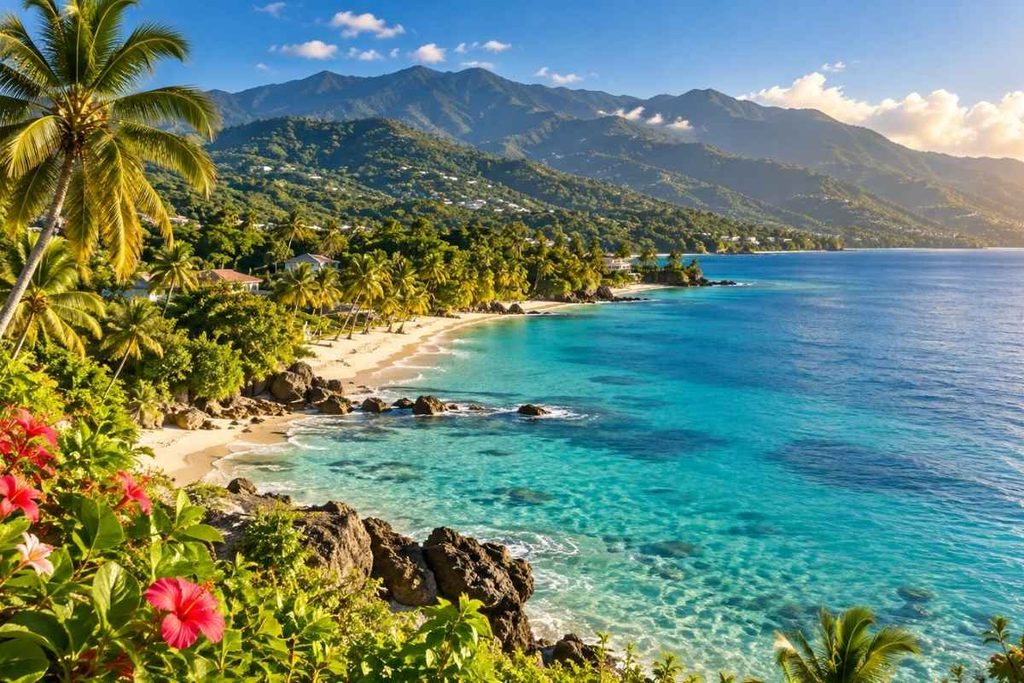
Jamaica is an island country in the Caribbean Sea.
Its capital and largest city is Kingston, while its ISO country codes are JM and JAM.
The United Nations geographical names database places Jamaica in the Americas and specifically within the Caribbean region.
Quick Facts About Jamaica
| Fact | Jamaica |
|---|---|
| Capital | Kingston |
| Region | Caribbean |
| ISO Alpha-2 | JM |
| ISO Alpha-3 | JAM |
| Independence | August 6, 1962 |
| UN membership | September 18, 1962 |
| UNESCO World Heritage properties | 2 |
Where Is Jamaica?
Jamaica is located in the Caribbean Sea, south of Cuba and west of Hispaniola.
It is part of the Greater Antilles island group.
Although Jamaica is often associated primarily with tropical beaches, much of the island’s interior is mountainous.
Its landscapes include:
- tropical coastlines
- limestone hills
- forests
- waterfalls
- river valleys
- agricultural land
- the Blue Mountains
Where Does the Name Jamaica Come From?
The name Jamaica developed from an Indigenous Taíno name.
Jamaica’s official tourism authority explains that the Taíno people called the island Xaymaca, commonly interpreted as “land of wood and water.”
The official history of Jamaica explains that Taíno communities lived on the island before Europeans arrived.
A Short History of Jamaica
The Taíno were living on Jamaica when Christopher Columbus reached the island in 1494 during his second voyage to the Americas.
Spanish colonization followed.
Disease, forced labor, and displacement devastated the Indigenous population during the colonial period.
England seized Jamaica from Spain in 1655, after which the island became an important British Caribbean colony.
Sugar plantations became central to the colonial economy and relied heavily on the forced labor of enslaved Africans.
The descendants of those Africans profoundly shaped Jamaica’s culture, language, music, religion, food, and national identity.
The Maroons of Jamaica
One especially important part of Jamaica’s history involves the Maroons.
Communities of formerly enslaved Africans established settlements in Jamaica’s mountainous interior and resisted British colonial authority.
After prolonged conflict, British authorities signed treaties with Maroon communities during the 18th century.
Their history remains an important part of Jamaican heritage.
When Did Jamaica Become Independent?
Jamaica became independent from Britain on August 6, 1962.
The Jamaica Information Service records that Jamaica formally became an independent nation on that date.
Jamaica joined the United Nations on September 18, 1962.
Jamaica’s UNESCO World Heritage Sites
As of 2026, Jamaica has two UNESCO World Heritage properties:
- Blue and John Crow Mountains
- The Archaeological Ensemble of 17th Century Port Royal
The current UNESCO profile for Jamaica lists both properties.
Port Royal was added to the World Heritage List in 2025, increasing Jamaica’s total from one to two.
Blue and John Crow Mountains
The Blue and John Crow Mountains were inscribed in 2015.
The site combines important natural biodiversity with cultural heritage connected to Jamaican Maroon communities.
Port Royal
Port Royal was one of the Caribbean’s major 17th-century trading settlements.
Part of the historic town was devastated by the 1692 earthquake, which caused sections of the settlement to sink beneath the sea.
Its archaeological remains preserve an unusual record of Caribbean colonial history.
2. Japan
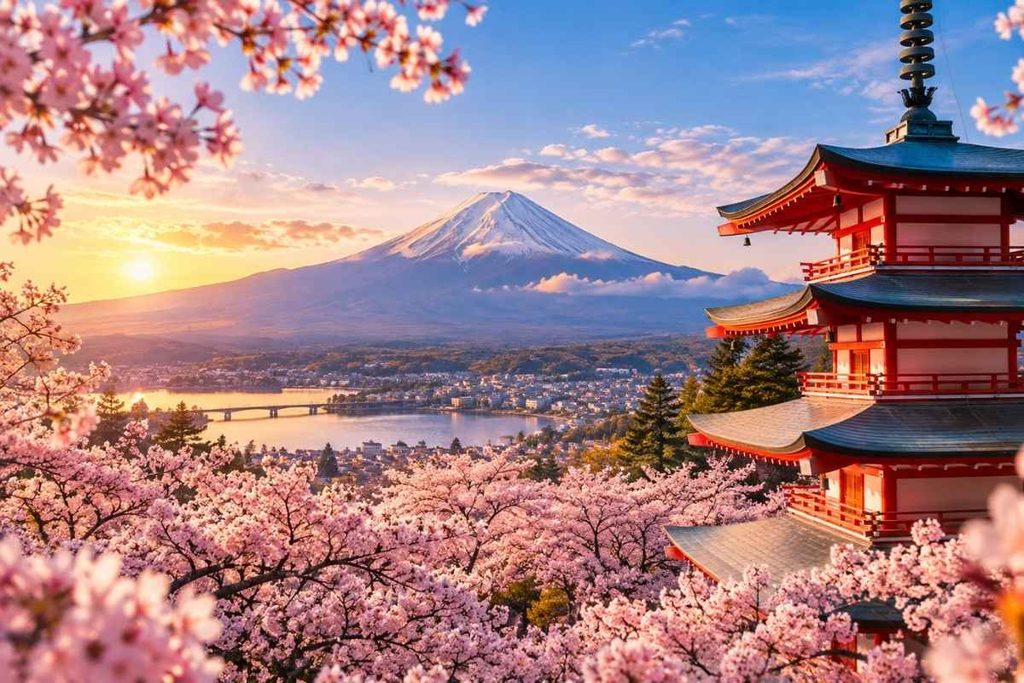
Japan is an island country in Eastern Asia.
Its capital is Tokyo, and its ISO codes are JP and JPN.
The United Nations geographical names database records Japan’s Japanese short name as 日本, romanized as Nihon or Nippon.
Quick Facts About Japan
| Fact | Japan |
|---|---|
| Capital | Tokyo |
| Region | Eastern Asia |
| Japanese name | 日本 |
| Romanization | Nihon / Nippon |
| ISO Alpha-2 | JP |
| ISO Alpha-3 | JPN |
| UN membership | December 18, 1956 |
| UNESCO World Heritage properties | 27 |
Where Is Japan?
Japan is an archipelago off the eastern coast of continental Asia.
Its four largest islands are:
- Honshu
- Hokkaido
- Kyushu
- Shikoku
Japan also includes thousands of smaller islands extending across a long north-south distance.
Why Is Japan So Mountainous?
Japan lies along a highly active tectonic zone where several tectonic plates interact.
As a result, much of the country is mountainous and geologically active.
Japan experiences:
- earthquakes
- volcanic activity
- hot springs
- steep mountain landscapes
- tsunami risk
The country’s best-known mountain is Mount Fuji, which rises to 3,776 meters.
What Is Japan Called in Japanese?
Japan is commonly called either Nihon or Nippon in Japanese.
Both are written:
日本
The characters are associated with the sun and its origin, which is the basis for the familiar expression “Land of the Rising Sun.”
A Short History of Japan
Japan has a long history extending from prehistoric communities to one of the world’s largest modern economies.
Early archaeological periods include the Jomon and Yayoi cultures.
Over time, increasingly centralized political institutions emerged.
The early capitals of Asuka and Fujiwara were especially important in the development of centralized government.
Samurai and the Shogunates
From the late 12th century onward, warrior governments played a major role in Japanese politics.
Different shogunates exercised political power while the imperial institution continued.
The Tokugawa shogunate, established in the early 17th century, presided over a long period of internal stability.
The Meiji Restoration
A major transformation began in 1868 with the Meiji Restoration.
Political power was reorganized around the emperor, and Japan underwent rapid modernization.
During the following decades, the country built modern institutions, industries, transportation networks, armed forces, and education systems.
Japan After World War II
World War II ended for Japan in 1945.
A new political and constitutional system emerged during the postwar period.
Japan’s current constitution came into force in 1947.
The full text is preserved by Japan’s National Diet Library.
When Did Japan Join the United Nations?
Japan became a member of the United Nations on December 18, 1956.
Japan’s UNESCO World Heritage Sites
As of 2026, Japan has 27 UNESCO World Heritage properties.
The current UNESCO profile for Japan records the country’s World Heritage properties.
Japan’s total increased to 27 in 2026 following the inscription of the Ancient Capitals of Asuka and Fujiwara.
Some of Japan’s best-known World Heritage properties include:
- Mount Fuji
- Himeji Castle
- Historic Monuments of Ancient Kyoto
- Hiroshima Peace Memorial
- Itsukushima Shinto Shrine
- Yakushima
- Shirakami-Sanchi
- Jomon Prehistoric Sites in Northern Japan
- Sado Island Gold Mines
- Ancient Capitals of Asuka and Fujiwara
3. Jordan
Jordan is a sovereign country in Western Asia.
Its formal English name is the Hashemite Kingdom of Jordan.
Its capital is Amman, and its ISO codes are JO and JOR.
The United Nations geographical names database places Jordan in Western Asia.
Quick Facts About Jordan
| Fact | Jordan |
|---|---|
| Official name | Hashemite Kingdom of Jordan |
| Capital | Amman |
| Region | Western Asia |
| Official language | Arabic |
| ISO Alpha-2 | JO |
| ISO Alpha-3 | JOR |
| Independence | May 25, 1946 |
| UN membership | December 14, 1955 |
| UNESCO World Heritage properties | 8 |
Where Is Jordan?
Jordan lies in Western Asia at the crossroads of the Levant and the Arabian Peninsula.
It borders:
- Syria
- Iraq
- Saudi Arabia
- Israel
- the West Bank
Jordan also has a short coastline on the Gulf of Aqaba, giving the country access to the Red Sea.
Why Is Jordan Called Jordan?
Jordan takes its name from the Jordan River, which forms part of the country’s western geographic boundary.
A Short History of Jordan
The territory of modern Jordan contains evidence of human settlement extending far into prehistory.
Over thousands of years, the region was connected with numerous civilizations and political powers, including:
- Ammon
- Moab
- Edom
- Nabataeans
- Romans
- Byzantines
- Umayyads
- Abbasids
- Ayyubids
- Mamluks
- Ottoman Empire
Petra and the Nabataeans
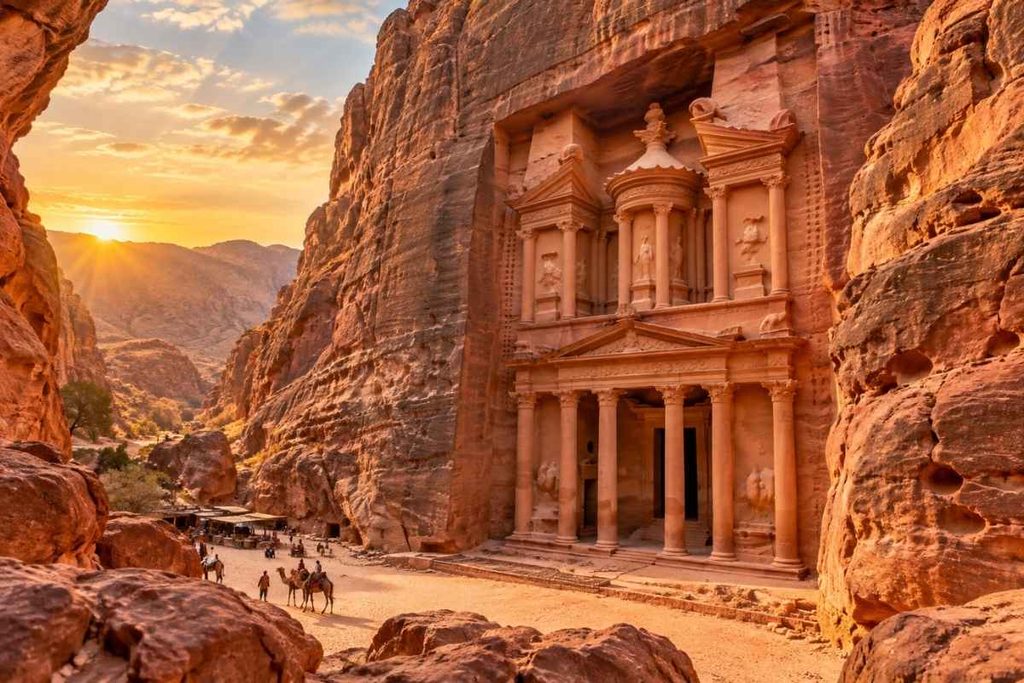
Jordan’s most famous archaeological site is Petra.
Petra became the capital of the Nabataean kingdom and developed into an important caravan and trading center.
The Nabataeans constructed monumental buildings carved into sandstone cliffs and developed sophisticated systems for collecting and managing water.
The official Jordan Tourism Board guide to Petra describes the city as an important Nabataean center connected with ancient trade networks.
The Formation of Modern Jordan
Modern Jordan emerged from the political changes that followed the First World War and the collapse of Ottoman authority in the region.
The Emirate of Transjordan was established under Abdullah bin Al Hussein in 1921.
Jordan later achieved full independence.
According to Jordan’s Ministry of Foreign Affairs, the country became fully independent on May 25, 1946.
When Did Jordan Join the United Nations?
Jordan became a United Nations member on December 14, 1955.
Among the three J countries, Jordan was the first to join the UN.
| Country | UN Admission |
|---|---|
| Jordan | December 14, 1955 |
| Japan | December 18, 1956 |
| Jamaica | September 18, 1962 |
Jordan’s UNESCO World Heritage Sites
As of 2026, Jordan has eight UNESCO World Heritage properties.
The current UNESCO profile for Jordan lists cultural, mixed, and natural properties.
They include:
- Petra
- Quseir Amra
- Um er-Rasas
- Baptism Site “Bethany Beyond the Jordan”
- As-Salt
- Umm Al-Jimāl
- Wadi Rum Protected Area
- Aqaba Marine Reserve
Aqaba Marine Reserve: Jordan’s Newest World Heritage Site
The Aqaba Marine Reserve was inscribed in 2026.
The site includes coral reefs, seagrass habitats, and deeper marine environments at the northern end of the Red Sea.
This gives Jordan a World Heritage collection ranging from ancient cities and desert landscapes to marine ecosystems.
Jamaica vs Japan vs Jordan
Although all three countries begin with the same letter, they have very little else in common geographically.
| Feature | Jamaica | Japan | Jordan |
|---|---|---|---|
| Region | Caribbean | Eastern Asia | Western Asia |
| Capital | Kingston | Tokyo | Amman |
| Geography | Caribbean island | Island archipelago | Mostly continental |
| ISO3 | JAM | JPN | JOR |
| UN admission | 1962 | 1956 | 1955 |
| UNESCO sites in 2026 | 2 | 27 | 8 |
Which J Countries Are Islands?
Two of the three J countries are island states:
- Jamaica
- Japan
However, their geography is very different.
Jamaica consists primarily of one large Caribbean island plus smaller surrounding islands and cays.
Japan is a much larger archipelago consisting of thousands of islands.
Jordan is not an island country.
Which Countries Starting With J Are in Asia?
There are two J countries in Asia:
- Japan
- Jordan
Japan is in Eastern Asia, while Jordan is in Western Asia.
Which Country Starting With J Is in the Caribbean?
Jamaica is the only sovereign country beginning with J in the Caribbean.
Which J Country Has the Most UNESCO World Heritage Sites?
As of 2026, Japan has the most UNESCO World Heritage properties among countries beginning with J.
| Country | UNESCO World Heritage Properties |
|---|---|
| Japan | 27 |
| Jordan | 8 |
| Jamaica | 2 |
What Places Start With J but Are Not Countries?
Many well-known geographic names begin with J without being independent sovereign countries.
Java
Java is not a country.
It is a major island of Indonesia and is home to some of the country’s largest cities and much of its population.
Jersey
Jersey is not a sovereign UN member state.
It is a self-governing British Crown Dependency located in the Channel Islands.
Johannesburg
Johannesburg is not a country.
It is a major city in South Africa.
Jeddah
Jeddah is not a country.
It is a major city on the Red Sea coast of Saudi Arabia.
This is why searches for places beginning with J can produce many more answers than searches specifically asking for sovereign countries.
Are There Any Countries Ending With J?
No current UN member state’s standard English short name ends with J.
J is therefore relatively rare in country names. Only three sovereign states begin with it, and none ends with it.
Which J Country Joined the United Nations First?
Jordan was the first of the three J countries to join the United Nations.
Jordan joined on December 14, 1955.
Japan followed on December 18, 1956, while Jamaica joined on September 18, 1962.
Frequently Asked Questions About Countries That Start With J
There are three sovereign countries starting with J: Jamaica, Japan, and Jordan.
There are three countries that start with J.
The three J countries are Jamaica, Japan, and Jordan.
Japan and Jordan are in Asia. Japan is in Eastern Asia, while Jordan is in Western Asia.
Jamaica is the only country beginning with J in the Caribbean.
Jamaica: Kingston
Japan: Tokyo
Jordan: Amman
Final Remarks
There are exactly three sovereign countries whose standard English names begin with J:
- Jamaica
- Japan
- Jordan
Jamaica is a Caribbean island nation with its capital at Kingston.
Japan is an East Asian archipelago whose capital is Tokyo.
Jordan is a Western Asian country with Amman as its capital.
Together they span dramatically different landscapes and histories, from Jamaica’s tropical mountains and Caribbean coastline to Japan’s volcanic island chain and Jordan’s desert landscapes and ancient archaeological sites.
Their heritage lists have also changed recently. Jamaica now has two UNESCO World Heritage properties following Port Royal’s 2025 inscription. Japan reached 27 properties in 2026, while Jordan reached eight following the addition of Aqaba Marine Reserve.
In one sentence: The three countries that start with J are Jamaica, Japan, and Jordan.
Country names, regional classifications, capitals, UN membership dates, and heritage information were reviewed against United Nations, UNESCO, and official national government sources in October 2026.

